How What's Next scaled its AI capabilities with an extended team in Moldova
AI agency What's Next needed more development capacity, without slowing delivery and without spending months hiring AI developers locally. Here is how it started with one developer in Moldova and grew that into an extended team of five that works as part of the company, not as an outsourced supplier.
We didn't want outsourcing. We wanted developers who truly felt part of our company. Backstage IT helped us build exactly that.
 AxelCEO, What's Next
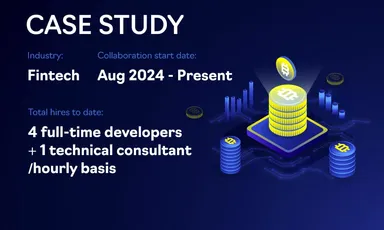
Hiring an experienced AI developer in the Netherlands usually takes months. What’s Next, a Dutch AI agency, did not have those months: its projects were growing in number and complexity, and the delivery schedule could not slip. So it started with a single developer in Moldova with Backstage IT, at work within a few weeks. That has since grown into an extended team of five: three AI-focused developers, a Product Owner and a DevOps engineer.
The challenge: more AI work than the local market could staff
What’s Next builds automation platforms and AI-powered workflows for companies that want to scale without adding operational complexity. Its work covers generating and managing content at scale, automating client communication, streamlining internal processes and building multi-agent workflows for monitoring and content processing.
As those projects grew in number and complexity, the agency needed a way to expand technical capacity without slowing delivery or giving up quality. Developers were not hard to find. The question was whether they could work in an AI environment that changes month to month, understand automation logic and integrations, collaborate closely with the in-house team, adapt when client requirements shift, and propose work rather than wait for tickets.
Like many growing tech companies in Western Europe, What’s Next found its local hiring market tight: there are few experienced AI developers, plenty of companies are after the same people and recruitment cycles run long.
So the agency went looking for a long-term partner that could build an extended team, one that works inside daily operations instead of alongside them as an external supplier. An extended team is therefore not the same as a supplier: the developers work within the planning and the way of working of What’s Next. We explain the difference in extended teams versus outstaffing.
The assignment: a team that works with the agency
Backstage IT extended the agency’s technical capacity with a dedicated team in Moldova, with experience in AI automation platforms, API integrations, scalable backend systems, internal tooling and workflows built on AI agents.
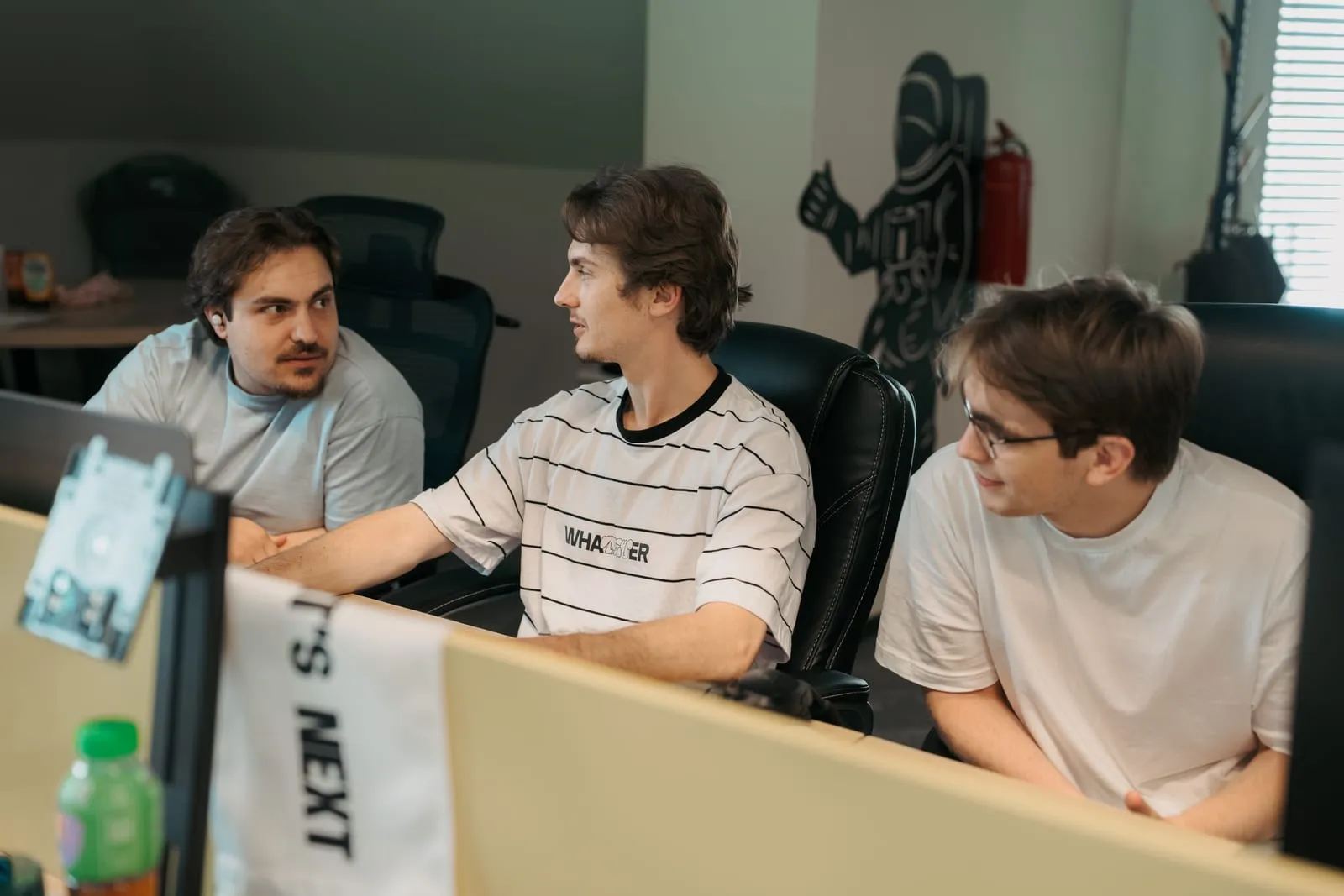
The brief was clear from the start: these developers would work directly alongside the What’s Next team and contribute to live AI projects as colleagues.
The process: hiring for adaptability and for skill
Backstage IT looked for developers who matched both the technical requirements and the working style of a fast-paced AI agency. The recruitment process combined technical screening, interviews on communication and culture fit, an assessment of adaptability and problem-solving, and direct interviews with the What’s Next team.
The goal was a team that fits into the way What’s Next already works and joins in from the start.
The result: an extended team of five in Moldova
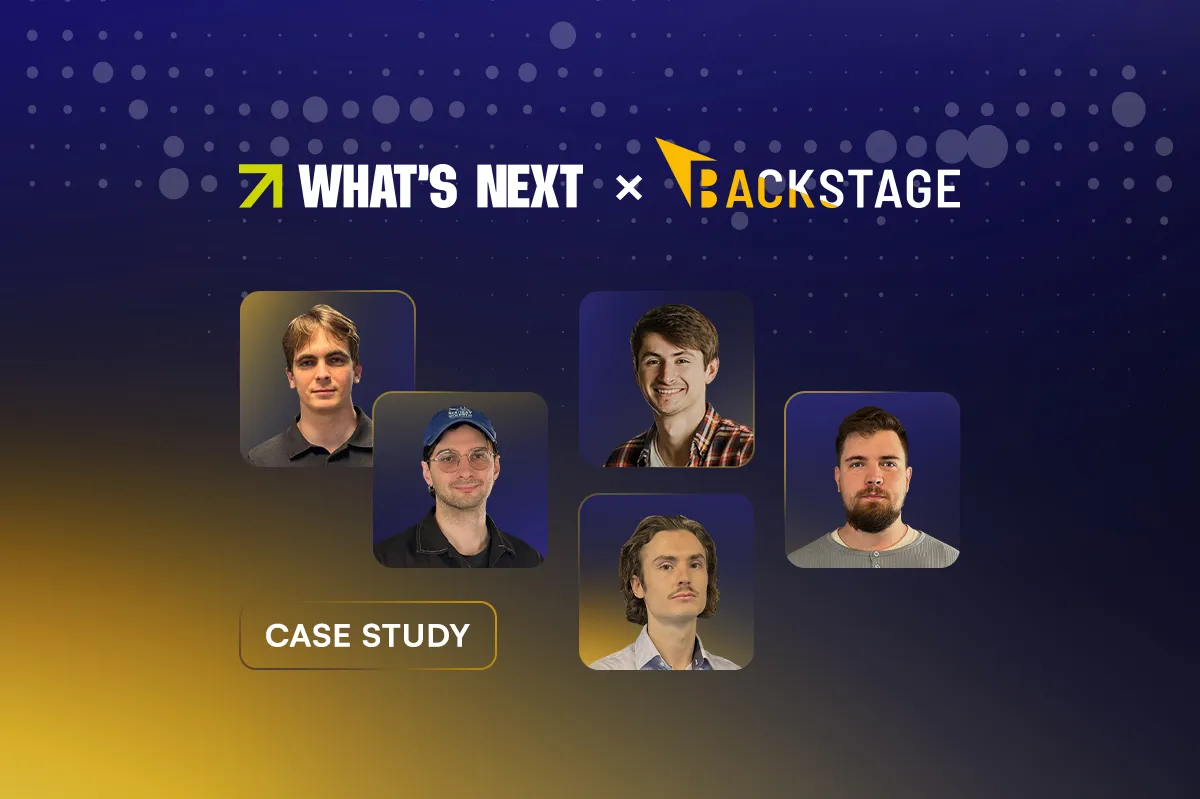
The collaboration produced a dedicated extended team in Moldova supporting What’s Next across AI automation and platform development. The team consists of three AI-focused developers, one Product Owner and one DevOps engineer, working with modern AI technologies and automation-driven workflows.
According to What’s Next, the model lets the agency take on more work, stay flexible across client projects and take pressure off local recruitment, without trading away quality. As the company’s AI ambitions grow, the collaboration grows with them.
Why it works
The first developer was in place quickly
The first developer was up and running within a few weeks, where a local recruitment cycle is measured in months.
Selected for adaptability
AI tooling changes faster than most stacks, so ownership, curiosity and communication weighed as heavily as technical depth. We wrote about that pattern in why most teams fail at AI adoption.
One way of working, no handover
The developers work directly alongside the What’s Next team on the same live projects.
Looking ahead
The collaboration has been running since the start of 2025 and keeps developing as What’s Next takes on more advanced AI automation projects and widens its services. As demand grows, there is room to grow the Moldova team further.
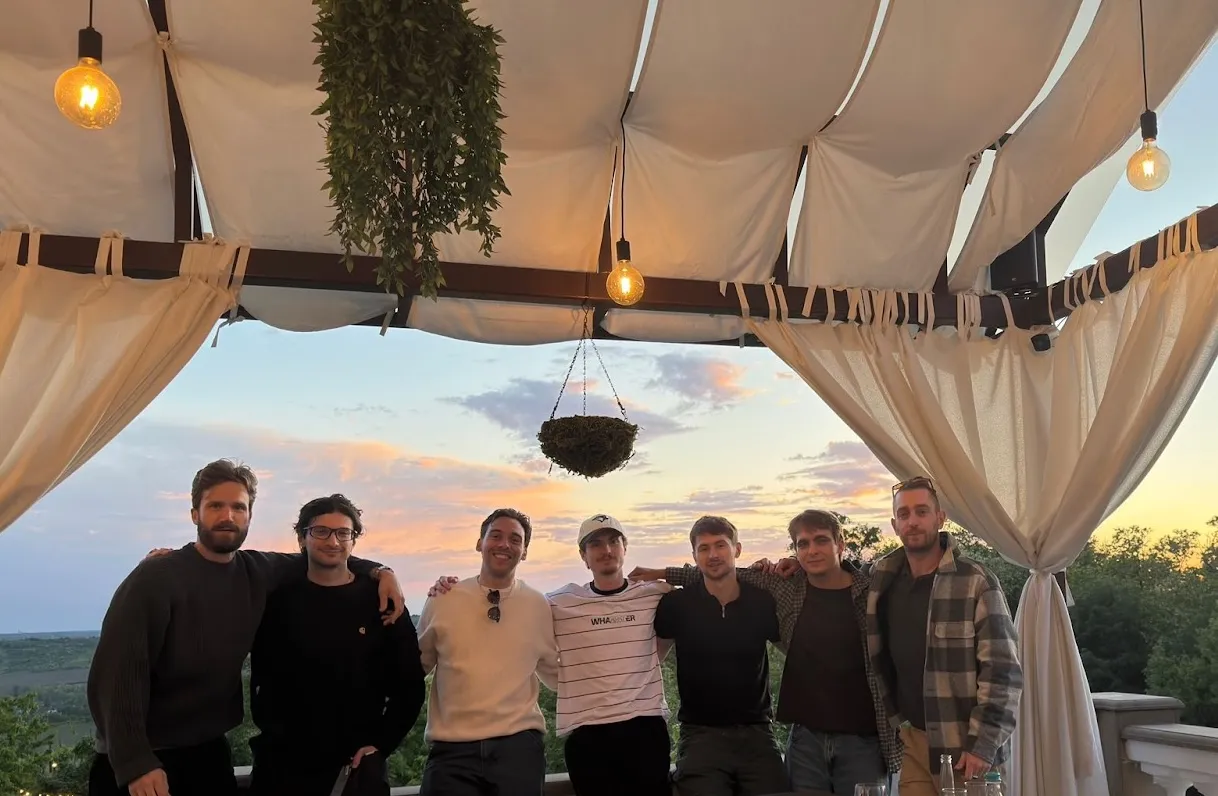
The partnership also goes beyond remote collaboration. The What’s Next team regularly travels to Chișinău to work alongside their Moldova-based colleagues at the Backstage IT office. Those visits strengthen personal ties, move knowledge in both directions and keep both teams on the same page.
Thinking about extending your own development team? Get in touch with Backstage IT to talk through what a dedicated team in Moldova could look like for you.